Therapy for Trauma, Depression & Substance Use in Fort Lauderdale
Trauma, depression, substance use, and difficult life experiences can affect far more than how you feel. They can shape your relationships, your sense of yourself, the choices you make, and how you respond to the world around you. Therapy can help you understand those connections while developing new ways of coping, relating, and moving forward.
I specialize in working with trauma survivors, people navigating depression and anxiety, individuals concerned about their substance use or in recovery, and members of the LGBTQIA+ community. I use an integrative, trauma-informed approach tailored to each person rather than assuming one type of therapy works for everyone.


Trauma Therapy Beyond Talk Therapy
Trauma can leave patterns that continue long after the original experience has ended. You may understand intellectually why you feel or react the way you do and still find that insight alone hasn't changed it.
My approach goes beyond traditional talk therapy when that is helpful. I integrate somatic and experiential approaches, including sandtray and expressive work, to explore experiences that can be difficult to access through words alone. Therapy is collaborative and paced with attention to safety, readiness, and what works for you.
I have extensive experience working with trauma survivors, including people affected by childhood trauma, domestic violence, sexual abuse, and other painful or overwhelming experiences. My practice is LGBTQIA+ affirming and neurodiversity affirming.
Clinical Supervision

Supervision Beyond the Workplace
A space to ask difficult questions, think through ethical concerns, and grow into the clinician you want to become.
Supervision provided through an employer can be valuable, but it also exists within the needs, policies, and expectations of the organization. Independent supervision provides a separate space where the focus can remain on your development and responsibilities as a clinician. This can be especially important when you need to think through ethical concerns, questions about scope of competence, challenging workplace expectations, or situations where your clinical judgment and the expectations of your workplace may not fully align.
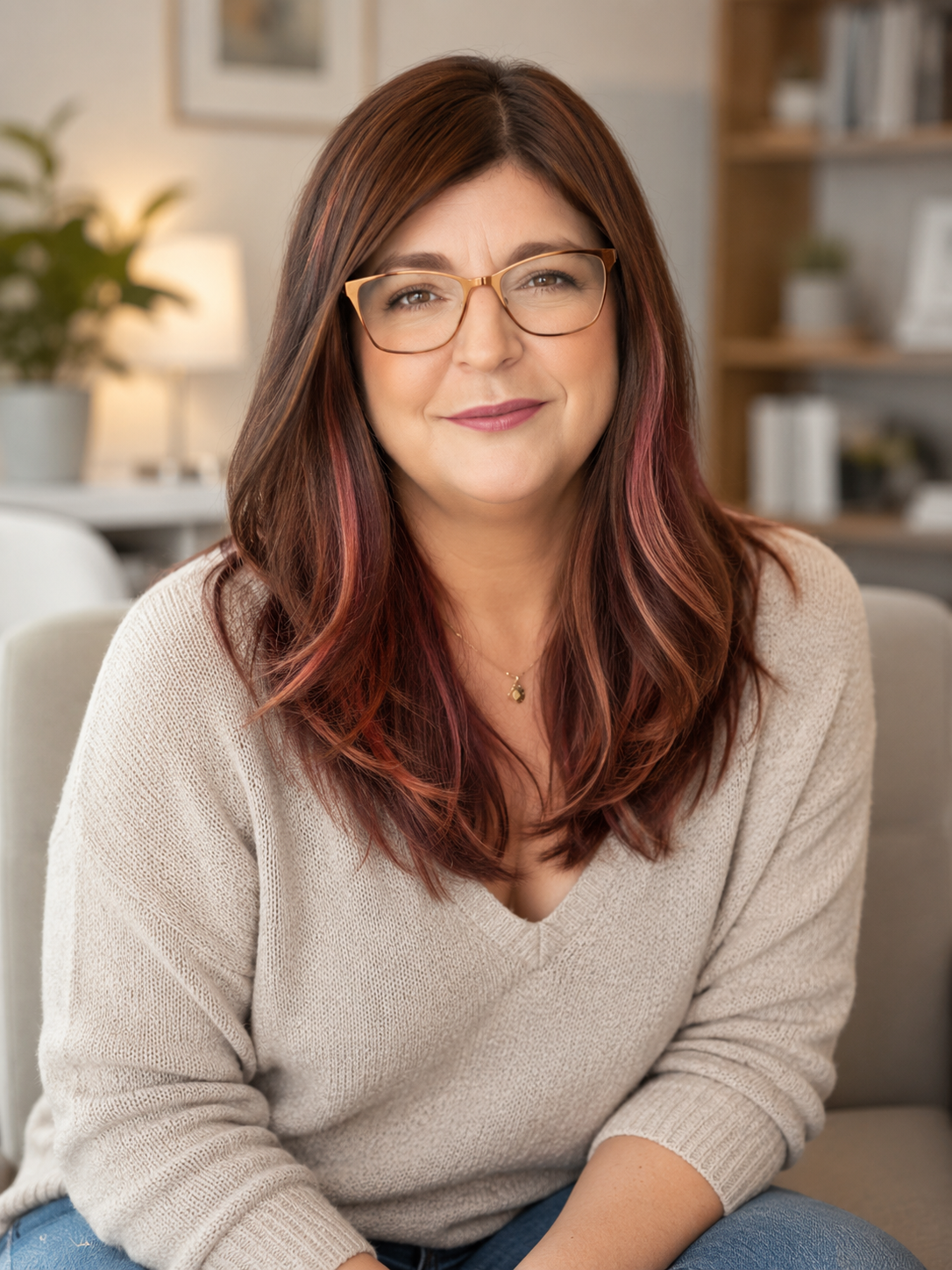
Hyacinth Morgan, LMHC- QS
Sandtray Training & Consultation
Sandtray offers a way for clients to access deeper levels of consciousness to explore, express, and heal experiences that words alone have not effectively resolved. It is a powerful clinical tool that can be used across the lifespan with individuals, families, and groups. Learning to use it effectively, however, involves more than simply adding a tray and miniatures to the therapy room.
I offer sandtray training and consultation for mental health clinicians who are new to the approach as well as therapists looking to deepen their existing work. My approach is practical and experiential, with attention to expanding the use of a non-directive approach, developing a collection, introducing sandtray to clients, working with symbolism without imposing meaning, and integrating sandtray naturally into your own therapeutic approach.
The goal is to learn to use sandtray effectively with a broad range of populations and clinical concerns while developing the confidence, curiosity, and understanding of the modality needed to make the work your own.
.jpeg)
Expanding Your Work Beyond Words
Available Services


For Florida Registered Mental Health Counselor Interns seeking independent clinical supervision.